Sound Kitchen Coaching
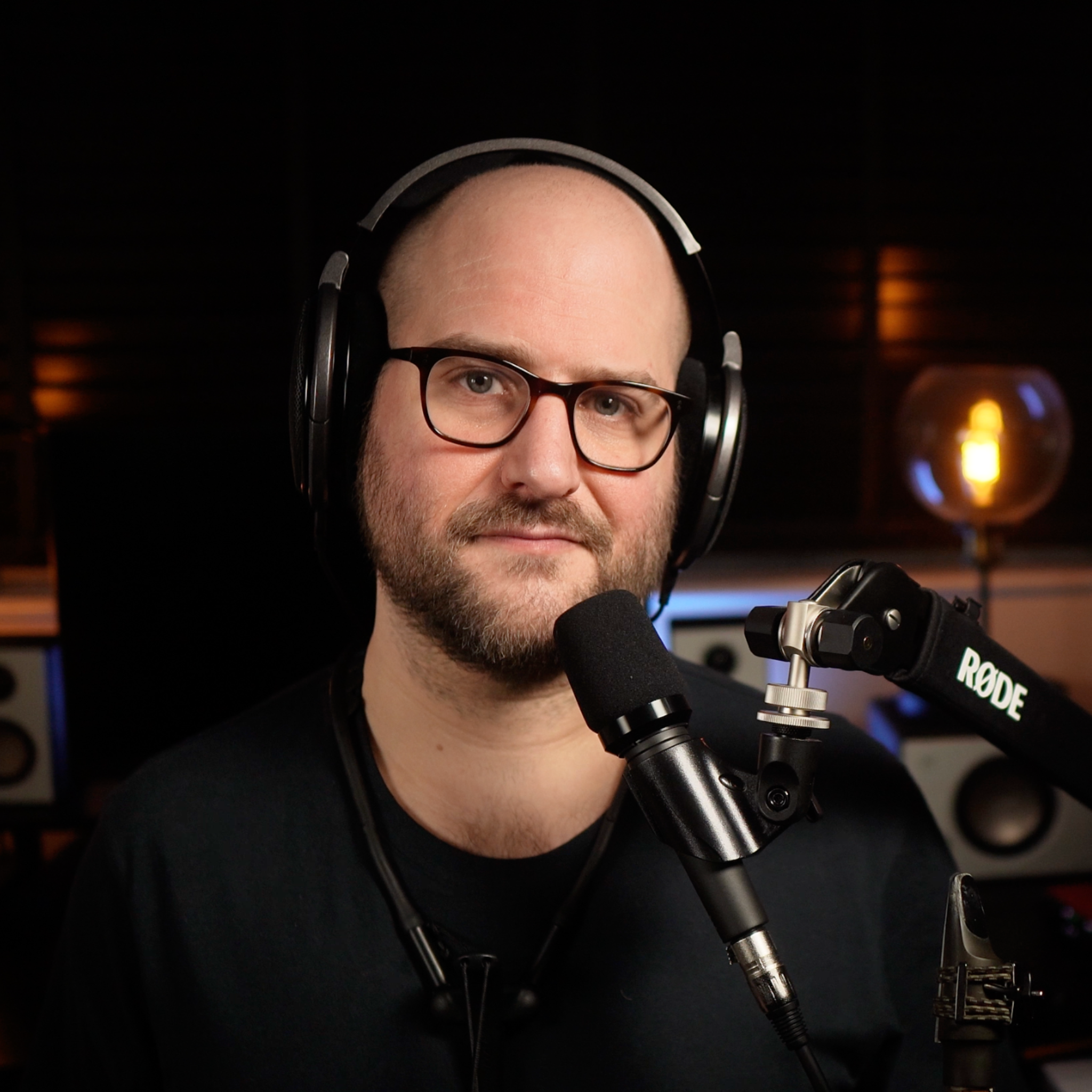
More than lessons. An individual learning programme that's built around you
Through one-to-one coaching, bespoke learning resources and an evolving practice plan, we'll spend three months identifying what's holding your playing back, building a clear roadmap, and helping you become a more instinctive improviser
More information is not always the answer
You may already have learned scales, studied harmony, watched countless videos and collected more exercises than you could ever realistically practise.
But when it is time to improvise, you may still find yourself:
thinking through every chord instead of hearing where the music is going;
struggling to turn theoretical knowledge into convincing musical phrases;
feeling unsure what to practise or which problem to tackle first;
playing confidently one day and feeling completely lost the next;
constantly searching for the next concept, exercise or piece of information.
The problem is not necessarily that you haven’t learned enough.
Often, the real problem is that nobody has helped you decide which ideas matter most for your playing, how to practise them effectively, and how to turn them into something you can hear and use instinctively.
That's why Sound Kitchen Coaching is more than a series of lessons. Together, we'll build a learning programme around your playing, your goals and the way you learn.
This isn't just a series of lessons
It's a learning programme built specifically around you.
Most courses are designed for thousands of people. That means everyone follows the same lessons in the same order, regardless of their instrument, experience or musical goals.
Sound Kitchen Coaching works differently.
Together, we'll identify the few things that will make the biggest difference to your playing, and then I'll build resources specifically to help you work on those things.
Every resource is created around your musical needs
That might include:
personalised backing tracks
written exercises
custom PDFs
video explanations
listening suggestions
practice routines
or entirely new resources created specifically for you.
Rather than trying to fit yourself into someone else's course, the course is built around you.
Three months of one-to-one coaching and support
An in-depth assessment where we identify the priorities that matter most
Regular one-to-one coaching sessions to review your progress and adapt the plan
Bespoke resources created specifically for your playing
Coaching session recordings to rewatch later
An evolving practice plan that changes as you improve
Feedback between sessions whenever you need guidance
A final review and roadmap for your next stage of development
Limited to five musicians per intake, allowing every programme to be genuinely personalised
What your three months will look like
1. In-depth assessment and roadmap
We begin with a 90-minute one-to-one assessment focused entirely on understanding your playing.
We will explore your experience, goals, current practice, strengths and frustrations. I will listen to you play and examine the specific situations in which you feel stuck.
Together, we'll identify the priorities most likely to make a meaningful difference over the following three months.
2. Personalised practice plan
After the roadmap session, you will receive a clear practice plan built around your available time, current level and musical goals.
You will know:
what to practise
how to practise it
why it matters
what progress should sound and feel like
what to do when you become stuck
The plan will not remain fixed for three months. It will develop as your playing and priorities change.
3. Bespoke exercises and practice resources
One of the most distinctive parts of Sound Kitchen Coaching is that I create learning resources specifically for you.
That might mean recording a short lesson to clarify a concept we have discussed, building a series of backing tracks around the exact harmonic or rhythmic situation you are working on, designing an exercise to address something I have heard in your playing, or producing a PDF that gives you a clear process to follow between sessions.
These aren't pre-written course materials with your name added. They're created specifically in response to your playing, your goals and the priorities we've identified together.
This is one of the things that makes Sound Kitchen Coaching different. It means the support you receive is not limited to what can be covered during our scheduled calls. You will have materials designed to help you continue the work clearly and effectively in your own practice.
These resources are yours to keep forever, once the programme ends.
4. Six one-to-one coaching sessions
We will meet for six 60-minute sessions, usually every two weeks.
Each coaching session builds directly on the work you've been doing between meetings, examines what is and is not working, and determines the most useful next step.
The space between sessions gives you time to put the work into practice while still receiving regular guidance and accountability.
5. Session recordings
Every coaching session will be recorded and made available to you afterwards.
That means you can return to explanations, demonstrations and discussions whenever you need them, rather than trying to remember everything during the lesson itself.
Many musicians find that they notice completely new things when they revisit a session several weeks later, after they've spent time putting the ideas into practice.
6. Feedback between sessions
You can send videos, recordings and questions between our scheduled calls.
This allows me to hear what is actually happening in your practice, address problems before they become embedded, and help you make adjustments while the work is still fresh.
I normally respond within two working days, and often much sooner.
7. Final review and next-step plan
At the end of the programme, we will review your progress, consolidate what you have learned and establish your next priorities.
You'll leave with a clear understanding of how to continue developing independently, with a practical plan for the next stage of your musical development.
What we will work towards
Every musician begins in a different place, so the precise goals of the programme will be personal to you.
Over the three months, the programme is designed to help you develop:
a clear understanding of your most important musical priorities
a focused practice process built around those priorities
stronger ears and greater trust in what you hear
more confidence navigating harmony, rhythm, form and phrasing
less dependence on conscious calculation while improvising
greater consistency when applying ideas to real tunes
a repeatable process you can continue using after the programme ends
The aim is to change the way you approach learning, practising and improvising, so that you leave with skills and processes that continue to support your development long after the final session.
What might we work on?
Depending on your goals, our work might include:
hearing and navigating chord changes more clearly
recognising recurring harmonic movements in jazz standards
developing a practical strategy for learning new tunes and tackling unfamiliar chord progressions
strengthening time, pulse and rhythmic consistency
developing stronger, more expressive musical phrases
using space, repetition and variation more musically
maintaining your place confidently within the form
turning learned vocabulary into something flexible, instinctive and personal
connecting what you understand theoretically with what you can actually hear
building a more focused, effective and sustainable practice routine
We won't try to work on everything at once.
One of the greatest benefits of personalised coaching is identifying what not to focus on.
By concentrating your time and attention on the areas most likely to make a meaningful difference, your practice becomes clearer, more focused and far more effective.
The Sound First Method
Sound Kitchen Coaching is built around four principles:
Hear before you analyse
Theory is valuable, but it should describe and support what you hear rather than replace it.
Build instinct, not just knowledge
Understanding an idea is only the beginning. We will work towards making it familiar enough to use naturally in real music.
Hear relationships, not isolated elements
Rather than treating every chord, scale or bar as a separate problem, we will learn to recognise the movements and relationships that connect them.
Simplify before adding complexity
Complex improvisation grows from simple musical ideas used fluently. We will establish clarity first, then add detail and freedom.
Whether we are working on harmony, rhythm, phrasing, time or another aspect of improvisation, the objective remains the same: to develop your ears and musical instincts so that more of your attention can be devoted to listening, responding and making music.
Your three month journey
Begin with clarity
We assess your playing, establish your goals and identify the most important priorities.
Put the plan into practice
You begin working with a focused practice process designed around your needs and available time.
Listen, review and adapt
Through coaching sessions and feedback between them, we examine what is changing, address obstacles and adjust the plan.
Develop independence
As the programme progresses, the goal is not to make you dependent on coaching. It is to help you understand your own playing more clearly and take increasing ownership of the process.
Leave with direction
We conclude by consolidating what you have learned and mapping out the next stage of your development.
What you'll leave with
By the end of the programme, you'll have far more than a collection of coaching sessions.
You'll leave with a personalised toolkit that continues to support your playing long after the programme has finished.
Your personalised roadmap
A clear understanding of your strengths, your priorities, and the areas that will have the greatest impact on your playing.
A proven practice process
A structured approach to practising that you can continue using independently, rather than constantly wondering what to work on next.
Bespoke learning resources
Your own collection of personalised backing tracks, exercises, PDFs, written practice guides and video lessons, created specifically around your playing and your goals.
Recordings of every coaching session
So you can revisit explanations, demonstrations and discussions whenever you need them, even months or years later.
Greater confidence and musical independence
Perhaps most importantly, you'll leave with a clearer understanding of how to continue improving after the programme ends.
The goal is for you to leave a more independent, confident and instinctive musician.
By the end of the programme, you'll own a complete personalised record of your development: your roadmap, your coaching sessions, your practice materials and a clear direction for what comes next.
Who it is for?
Sound Kitchen Coaching may be right for you if:
You play your instrument comfortably and want to develop as a jazz improviser.
You sometimes feel overwhelmed by the amount of information you've learned, or unsure what to focus on next.
You'd like a clearer, more personalised approach to practising.
You're prepared to make regular time for your musical development, whatever that realistically looks like alongside the rest of your life.
You value thoughtful, individual feedback rather than a one-size-fits-all approach.
You want a structured process rather than occasional advice.
It is probably not the right fit if:
You're primarily looking for beginner instrumental tuition or technique lessons.
You're looking for a fixed course with exactly the same content for every student.
You're not currently able to make any time for practising or reflecting on the work between sessions.
You're looking for a one-off lesson rather than a structured coaching programme.
You're hoping for significant progress without putting the ideas into practice.
How much will I need to practise?
You don't need to practise for hours every day to benefit from Sound Kitchen Coaching.
Consistency is far more important than marathon practice sessions. Naturally, the more time you're able to devote to your playing, the more progress you're likely to make. But many musicians can make excellent progress with regular, focused practice.
As a rough guide, many musicians find that around 30 minutes, three to five times per week, provides enough time to engage fully with the programme - but that’s not a minimum requirement. We'll always build the plan around your real life, not an ideal one.
One of the first things we'll discuss is how much time you genuinely have available. Together, we'll build a practice plan that fits around your life, so that your goals are both realistic and achievable.
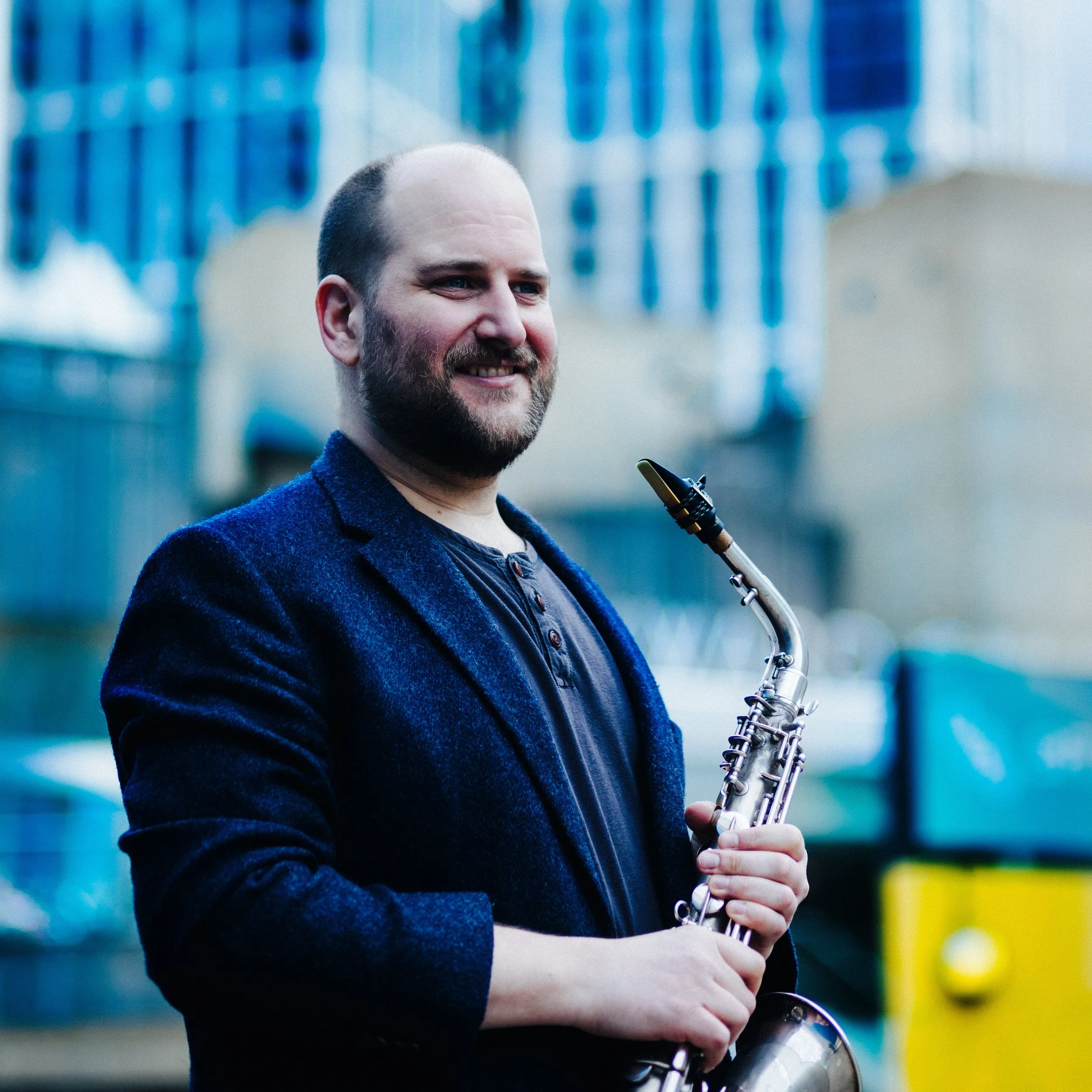
About Mike
I'm Mike Chillingworth, a professional jazz saxophonist, educator and the creator of The Sound Kitchen.
For more than twenty years I've combined a career as both a performer and teacher. I continue to perform professionally throughout the UK and internationally, working in situations that demand exactly the kinds of musical skills we develop through Sound Kitchen Coaching: hearing clearly, navigating harmony instinctively, and making confident musical decisions in the moment.
Alongside my performing career, I've worked with hundreds of musicians at every stage of their development, from enthusiastic adult learners to conservatoire students and established professional musicians. I've also taught many young musicians who have gone on to study at conservatoire and build successful careers as professional performers themselves.
The ideas I teach haven't been developed in isolation. They've grown out of years of performing, practising, teaching and continually asking the same question:
How do we turn musical information into genuine musical instinct?
That question sits at the heart of Sound Kitchen Coaching. My goal isn't simply to help you understand more theory. It's to help you hear more clearly, trust your musical instincts more deeply, and become a more confident, expressive improviser.
Before you apply…
Premium coaching, just five places
Sound Kitchen Coaching is limited to five musicians per intake.
That limit is not an artificial scarcity device. It reflects the amount of individual work involved.
Alongside our live 1 to 1 sessions, I will be creating personalised lessons, backing tracks, PDFs and other practice resources, preparing for calls, adapting practice plans, watching video submissions, giving feedback and answering questions. Keeping the programme small allows me to give that work the care and attention it requires.
For the same reason, Sound Kitchen Coaching is not priced in the same way as occasional lessons.
The first intake will receive a reduced founding-member rate in recognition of the trust involved in joining a new programme. However, it still represents a four-figure investment in your musical development.
A payment plan will be available.
If this sounds like the kind of investment you're ready to make in your musical development, I'd be delighted to hear from you.
What happens after you apply?
1. Complete the application
Tell me about your playing, your goals and the areas in which you would most value support.
2. I will review it personally
Applications are not accepted automatically. I'll consider whether I believe the programme is the right fit for your goals and whether I genuinely believe I can help you make meaningful progress.
3. We will have a short conversation
Where there appears to be a good fit, I will invite you to a 20-minute Zoom call.
We will discuss your goals, the programme, the investment and any questions you have.
4. Together, we decide whether it's the right fit
There is no obligation to join. The purpose of the conversation is to establish whether the programme is right for both of us.
Frequently Asked Questions
-
Sound Kitchen Coaching is designed for jazz musicians who already play their instrument comfortably and want to become more confident, instinctive improvisers.
Whether you're feeling overwhelmed by theory, struggling to hear chord changes, unsure what to practise next, or simply looking for a more structured and personalised approach to improving, the programme is built around your individual goals and challenges.
-
The coaching focuses on improvisation rather than instrument-specific technique, so it can be valuable for musicians on almost any instrument, including saxophone, trumpet, trombone, piano, guitar, bass, voice and many others.
If you're unsure whether the programme is suitable for your instrument or musical background, you're very welcome to apply and we can discuss it together.
-
There isn't a minimum or maximum grade or level required.
The programme is suitable for musicians at a wide range of levels because everything is personalised.
What's much more important is that you're committed to improving, prepared to practise consistently, and open to developing your ears and musical instincts alongside your theoretical understanding.
-
No.
In fact, that's one of the main reasons the programme exists.
Every musician arrives with different strengths, different musical goals and different obstacles.
Rather than following a fixed syllabus, every aspect of the programme—from the practice plan to the exercises, backing tracks, lessons and PDFs—is created or selected specifically for you.
No two coaching programmes are likely to look exactly the same.
-
Yes.
Payment plans are available, allowing you to spread the cost of the programme over several instalments.
If you're invited to a coaching call, I'll explain the available options and answer any questions you have.
-
Every application is reviewed personally.
If I think the programme is likely to be a good fit for your goals and current stage of development, I'll invite you to a short Zoom conversation.
This isn't a high-pressure sales call. It's simply an opportunity for us to discuss your goals, explore whether we're a good fit to work together, and answer any questions you may have before you make a decision.
-
There isn't a fixed number of hours.
One of the first things we'll discuss is how much practice time you realistically have available, and your coaching programme will be built around that.
The goal is to make the time you do have significantly more focused and effective.
-
No.
While written examples and PDFs may sometimes form part of your programme, many of the ideas we explore are developed through listening, singing and playing.
As exercises and materials are created specifically for your needs, they can be adapted to include more notation or avoid it entirely.
The emphasis is always on helping you hear and internalise musical ideas, rather than relying on notation alone.
-
Between our coaching sessions, you're welcome to send recordings of your playing and ask questions as you work through your practice plan.
This allows me to hear how things are developing in real musical situations, offer feedback, answer questions, and adjust your programme where necessary.
Responses are normally provided within two working days, and often much sooner.
-
Absolutely.
All coaching takes place online, and I work with musicians from around the world.
As long as we can find suitable times for our Zoom sessions, your location isn't a problem.
-
Because the goal isn't simply to teach you for an hour every couple of weeks.
Sound Kitchen Coaching is designed as a complete development programme.
The coaching includes assessment, planning, ongoing feedback, personalised resources, bespoke lessons and practice materials, and continuous refinement of your programme as your playing develops.
That level of support simply isn't possible within the format of occasional standalone lessons.
-
Because much of the work happens outside our scheduled coaching sessions.
Alongside our live calls, I'll be reviewing recordings, refining practice plans, creating bespoke lessons, backing tracks and exercises, responding to questions, and preparing each session around your progress.
Keeping the programme intentionally small allows me to give every musician the level of attention that this kind of personalised coaching deserves.